



Author: John Roberts Toyota
Deciding to get a new vehicle is a significant moment for drivers across Coffee County and the surrounding Middle Tennessee region. Whether you’re eyeing an upgrade for your commute on I-24 or need a more capable vehicle for family trips to Old Stone Fort State Archaeological Park, determining the next step for your current Toyota is a major financial consideration. The process of getting the best value can feel complex, with paths ranging from a private sale to a dealership trade-in. As the team at John Roberts Toyota, we have a long history of helping drivers from Manchester, Tullahoma, and beyond navigate this exact journey. Drawing on our experience serving this community, we’ve crafted this comprehensive guide to empower you with the knowledge needed to maximize your car’s worth.
Key Takeaways (TL; DR)
- Establish a Local Value Baseline: Before any negotiation, determine your Toyota’s specific market value in the Manchester area by consulting sources like Kelley Blue Book and Edmunds, then secure actual offers to use as concrete leverage.
- Prepare for Tennessee’s Climate: A thorough cleaning to remove grime from humid summers and winter road treatments, coupled with complete service records, significantly enhances your vehicle’s appeal and shows it has been well-maintained for local conditions.
- Leverage the Trade-In Advantage: Trading your vehicle at a dealership offers unmatched convenience and a significant sales tax credit in Tennessee, saving you time, money, and the hassles of a private sale.
- Negotiate Each Transaction Independently: To ensure total clarity and achieve the best possible outcome, finalize the purchase price of your new Toyota before you begin discussing the value of your trade-in.
- Gather Your Documents Early: Having your vehicle’s title (or lienholder details), maintenance history, and a valid ID ready will make the entire trade-in process substantially faster and more straightforward.
- Understand Local Demand: Certain Toyota models, like all-wheel-drive SUVs for variable weather or efficient sedans for the Murfreesboro commute, are highly sought after, giving you more negotiation power.
What Is the First Step in Valuing My Toyota?
The most important initial action is to develop a precise, data-supported understanding of your Toyota’s value in the current Middle Tennessee market. This knowledge acts as the bedrock for every subsequent decision, from selecting between a trade-in and a private sale to negotiating the final offer. Without this critical baseline, you are essentially navigating the process without a map.
To construct a thorough valuation, you should consult several authoritative sources. Begin with respected online valuation tools. Websites such as Kelley Blue Book and Edmunds provide market-based estimates for your specific Toyota model, trim, mileage, and condition, localized to the Manchester area. It is essential to retrieve both the “trade-in value” and the “private party value,” as these figures represent distinct sales scenarios and will differ.
Beyond these digital estimators, it is wise to see what similar Toyotas are actually listed for by local sellers. Browse online marketplaces for listings in communities like Shelbyville and Murfreesboro to validate the numbers you received. This real-world research illustrates what local buyers are willing to pay and helps you form realistic expectations for your vehicle. Pay close attention to how specific features, like the All-Wheel Drive (AWD) on a RAV4 or the advanced trim of a Highlander, impact asking prices for cars that have navigated similar local driving conditions on roads like Highway 55.
Should I Trade My Toyota In or Sell It Myself?
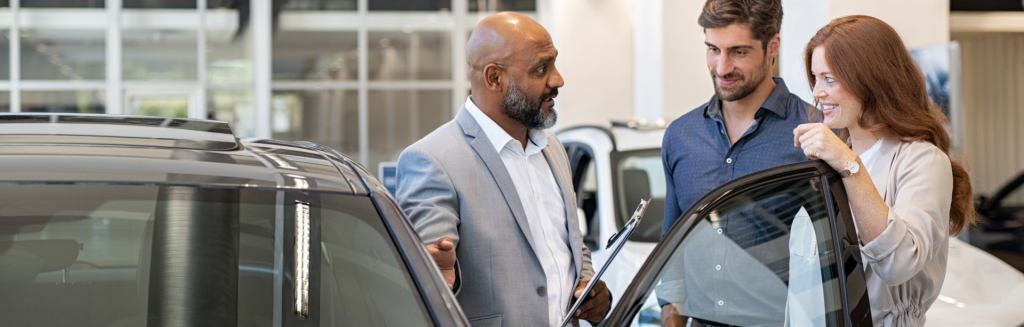
The decision between trading in your Toyota at a dealership and handling a private sale boils down to a fundamental trade-off: convenience versus the potential for maximum profit. A dealership trade-in is the most direct and hassle-free path, while a private sale may yield more money but demands a considerable investment of your time, effort, and personal security.
Trading In Your Toyota
- Unmatched Convenience: This remains the chief benefit. You can drive your current car to the dealership and leave in your new one, often in a single, streamlined visit. The dealership team manages all the complicated paperwork, including the title transfer, registration, and paying off any outstanding loan with your lender.
- Substantial Speed: The entire process can often be finished in just a few hours. You avoid the prolonged ordeal of creating online listings, sifting through countless messages from potential buyers (many of whom are not serious), and arranging test drives with strangers.
- Valuable Tax Savings: Tennessee offers a major tax advantage for vehicle trade-ins. The value of your trade is deducted from the purchase price of the new vehicle before sales tax is calculated. For example, if you buy a $45,000 Toyota and your trade-in is valued at $20,000, you only pay tax on the remaining $25,000. This can save you hundreds or even thousands of dollars instantly, a benefit you lose with a private sale.
- Security and Peace of Mind: There are no risks associated with meeting strangers, handling large financial transactions, or dealing with potential post-sale complaints. The transaction is secure and finalized professionally.
Selling Your Toyota Privately
- Potentially Higher Price: This is the main draw for undertaking a private sale. By acting as the seller yourself, you can potentially capture a price closer to the vehicle’s retail value. You are essentially performing the work a dealer would, and you pocket the difference.
- Complete Control: You are in charge of every facet of the transaction. You set the asking price, screen potential buyers from Coffee and Rutherford counties, and determine the final terms of the sale.
- Significant Challenges: A private sale is a serious undertaking. It involves taking high-quality photos, writing a persuasive advertisement, and fielding inquiries from a wide range of people. You also assume the risks linked to supervising test drives, securely handling large sums of money, and correctly navigating the legal paperwork with the Tennessee Department of Revenue.
Ultimately, the right choice is personal and depends on your priorities. If your objective is a smooth, secure, and rapid transition into a new Toyota, the dealership trade-in process is your best option. If you have plenty of time and are comfortable with the risks and duties involved, a private sale could be more financially rewarding.
How Do I Prepare My Toyota for the Best Offer?
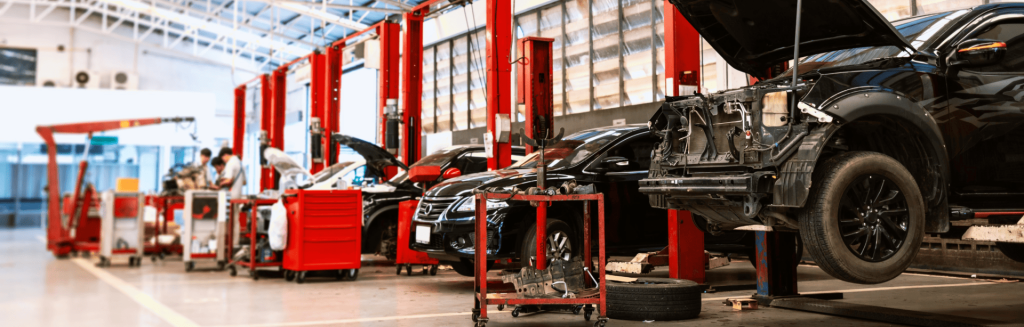
Preparing your Toyota for an appraisal is a vital step in maximizing its value. A vehicle that looks, feels, and smells well-cared-for sends a strong subliminal message to appraisers that it has also been mechanically maintained, warranting a higher offer. Your goal is to present your car in its absolute best light, especially after it has weathered the demanding driving conditions and climate of Middle Tennessee.
What Paperwork Should I Collect First?
Before you even reach for cleaning supplies, get your documentation in order. A complete and organized file fosters trust and removes potential delays in the transaction.
- The Title: Find your vehicle’s physical title. If you have an active loan, the financial institution (the lienholder) holds the title. You will need to contact them for the exact loan payoff amount, a figure that is crucial for the dealership to complete the transaction.
- Service Records: Collect every maintenance receipt and service invoice you can find. A detailed service history, particularly from a reputable shop, delivers concrete proof of proper care and can considerably boost your car’s value. It shows you have invested in keeping the vehicle in prime condition.
- Owner’s Manual: Make sure the original owner’s manual is in the glove compartment. Appraisers and prospective buyers expect it to be there, and its absence can be a minor but unnecessary red flag.
- Vehicle History Report: It is a proactive and smart move to purchase your own report from a service like CarFax. This transparency lets you see exactly what an appraiser will see and gives you a chance to address any reported incidents upfront.
How Should I Clean My Vehicle for Tennessee Conditions?
First impressions are everything, and in the realm of vehicle appraisals, cleanliness directly translates to value. This is especially true in our region, where humid summers, pollen season, and winter road treatments can take a toll on a car’s appearance.
- Exterior Wash and Wax: Give your car a meticulous hand wash. Pay close attention to the wheel wells, rocker panels, and undercarriage where road grime accumulates. Applying a quality wax not only restores the paint’s luster but also provides an essential protective layer against the intense Tennessee sun and makes future pollen cleanups much simpler.
- Interior Detailing: This is where your effort produces the greatest return. Vacuum the carpets, seats, and trunk thoroughly to remove all traces of dirt and debris. Use appropriate cleaners for the dashboard, center console, and door panels. Do not forget to clear out and wipe down all storage compartments, door pockets, and cup holders. A potential buyer needs to be able to imagine the car as their own, free from your personal items.
- Odor Neutralization: Lingering smells from pets, food, sports equipment from a day at the lake, or just the general humidity can drastically reduce a trade-in offer. Use an automotive-specific odor eliminator rather than an air freshener that just masks scents. A clean, neutral smell is always the objective and suggests a well-maintained interior.
What Minor Fixes Should I Address?

You do not need to perform a major mechanical overhaul, but addressing small, noticeable issues offers an excellent return on your investment and prevents easy deductions from your offer.
- Warning Lights: If any warning lights are on your dashboard (like the “Check Engine” light), have them diagnosed and fixed by a trusted mechanic. A glowing warning light is an immediate and significant red flag for any appraiser and will result in a substantially lower offer, often far more than the cost of the actual repair.
- Tires and Brakes: Confirm your tires have sufficient tread depth and are inflated to the correct pressure as specified on the door jamb sticker. If your brakes are squeaking or grinding, it is worth having them inspected. Worn-out tires and brakes are among the most common and significant deductions during an appraisal.
- Chips and Scratches: A touch-up paint pen, available from a dealership’s parts department, can make minor paint chips from road debris virtually invisible. For small dents where the paint is not broken, a paintless dent removal specialist can often be a surprisingly cost-effective fix.
- Fluids and Bulbs: Top off essential fluids like windshield washer fluid. Check that all your lights—headlights, taillights, brake lights, and turn signals—are working correctly. A burnt-out bulb is an easy and inexpensive fix that prevents an unnecessary deduction from your vehicle’s value.
What Is the Secret to Getting the Best Offer?
The most effective, yet frequently overlooked, strategy for maximizing your trade-in value is to comprehend the dealership’s specific inventory needs. Certain Toyota models, trims, and colors are “hot commodities” in the local pre-owned car market around Manchester and Coffee County. This demand is influenced by local factors like fuel prices, seasonal requirements, and the distinct preferences of Middle Tennessee drivers.
For instance, an all-wheel-drive Toyota RAV4 or Highlander is in high demand year-round for families who need confident handling during our sudden summer thunderstorms and for trips to the Great Smoky Mountains. A fuel-efficient Camry or Corolla is always a top choice for commuters navigating the daily traffic on I-24 toward Murfreesboro or Nashville. If you own one of these sought-after models, especially one with low mileage and a pristine service history, you possess more leverage because the dealer knows they can resell it quickly and profitably.
Before you visit the dealership, conduct a quick search of their used vehicle inventory online. If they have few or no examples of your exact car, it is inherently more valuable to them. You can use this information strategically during your negotiation: “I noticed you don’t have many 2026 Highlanders with these features on your lot right now. Mine is in excellent condition and could fill that inventory gap for you.” This shows that you have done your research and understand their business needs, which shifts the conversation from a simple appraisal to a business proposition in your favor. This insight becomes even more potent when combined with a written offer from another buyer, a strategy endorsed by trusted consumer resources like Consumer Reports.
How Can I Maximize My Toyota’s Trade-In Value?
Securing the highest possible value for your Toyota trade-in is a fusion of smart preparation, thorough research, and confident negotiation. A dealership’s initial offer is just a starting point. You have the ability to influence that number by approaching the trade-in as a separate business transaction, distinct from the purchase of your new car.
First, anchor your position with a strong value baseline established during your research phase. Use online tools from KBB, Edmunds, and other sources to understand your Toyota’s specific trade-in value range for the Manchester market. Then, take the vital next step of getting multiple real-world offers. Visit at least two other dealerships for a formal, no-obligation appraisal. Possessing firm, written offers in hand is your single most powerful negotiating tool.
Next, present your vehicle as a premium product. A deeply cleaned car with organized service records, all original accessories, and both sets of keys will always command a better offer. The less reconditioning work the dealer needs to do, the more they can afford to pay you upfront. You can see the high standards dealers aim for by reviewing the criteria for certified pre-owned vehicles on the official Toyota Certified Used Vehicles website. This gives you a clear target for how your vehicle should be presented. The National Automobile Dealers Association (NADA Guides) also provides valuable information on how condition impacts value.
Finally, always negotiate the trade-in separately from the new car purchase. It is a common tactic to merge these two transactions, which can obscure the true value you are receiving for your trade. Firmly and politely agree on the final purchase price of your new Toyota first. Only then should you introduce your trade-in. With your written offers ready, you can state, “I’m ready to buy this Tundra today for the price we agreed on, but another dealer offered me $X for my trade. Can you match that to earn my business?” This clear, evidence-based approach helps you secure the maximum value for your Toyota and ensures a transparent deal.
Frequently Asked Questions (FAQs)
How do I find out what my Toyota trade-in is really worth?
To determine your Toyota’s true worth in Manchester, start by using online valuation tools like Kelley Blue Book for a baseline estimate. Then, get multiple in-person appraisals from different dealerships in the area, including those in Tullahoma or Shelbyville. The highest written offer you receive serves as a strong benchmark for its current local market value.
Is it better to trade in a car or sell it in Tennessee?
Trading in your car is better if you prioritize speed, security, and the convenience of a one-stop transaction, plus the significant Tennessee sales tax credit. Selling it privately is better if your main goal is to get the absolute highest price and you are prepared to handle the time commitment and risks of the sales process yourself.
What should I avoid doing when trading in my car?
When trading in your vehicle, avoid discussing the trade-in until after you have finalized and agreed upon the purchase price of the new car. Also, do not accept the first offer you receive without having done your research and obtained competing, written offers from other local dealerships.
Can I trade in a Toyota if I still owe money on it?
Yes, you can absolutely trade in a Toyota that still has an outstanding loan. The dealership will verify the payoff amount and handle paying off the remaining loan balance directly with your lender as part of the transaction. If your trade-in is valued at more than you owe, that positive equity is applied as a down payment toward your new vehicle.
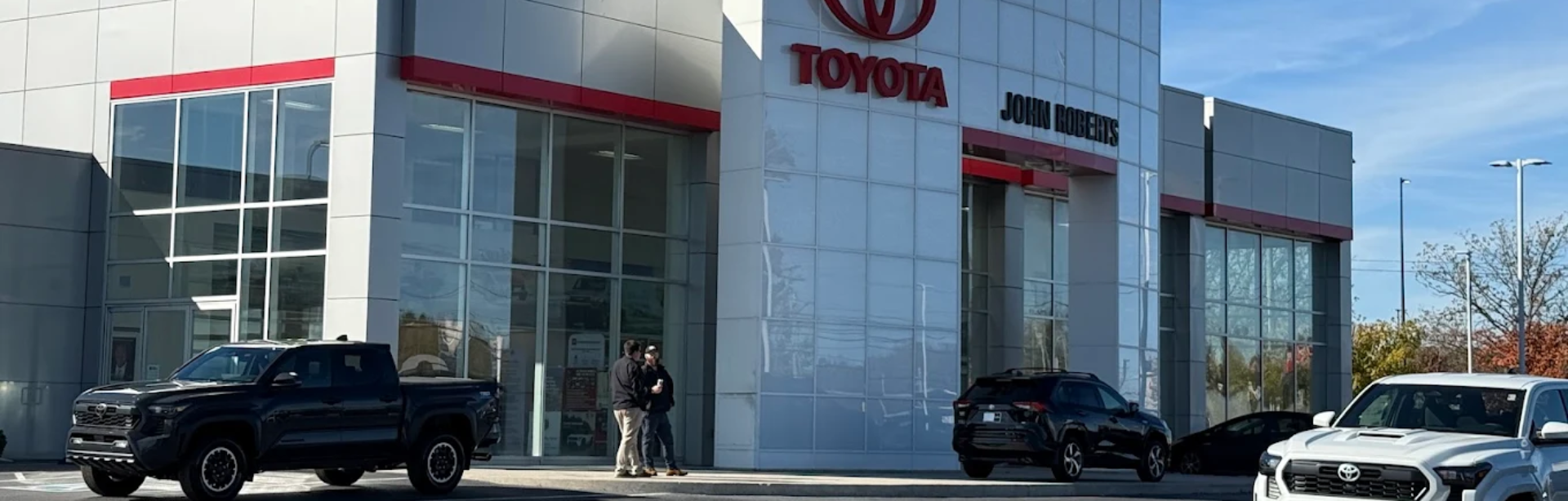
About John Roberts Toyota
The John Roberts Toyota team is dedicated to providing an exceptional automotive experience. Our family-owned dealership was honored with the Toyota President’s Award in 1996, 2002, 2007, 2010, 2011, 2012, 2013, and 2018, as recognition of our excellence in customer satisfaction and service. We offer special benefits like a Lifetime Powertrain Warranty on many vehicles, and our ASE and Toyota Certified mechanics ensure your car is in expert hands. To make your experience easy and enjoyable, we provide online purchasing, home delivery, and a pet-friendly showroom full of comfort and convenience. You can trust our award-winning team for knowledgeable, friendly service on every visit.Related Articles:
York, PA Driver’s Guide: Finding a Toyota Dealer You Can Trust
Your Complete Guide to Buying a Toyota in York, PA
An Essential Guide to Toyota Service for York County Drivers
Your Manchester, TN Guide to Toyota Financing & Leasing
Choosing Your 2026 Toyota SUV for Manchester, TN: A Local’s Guide
Connect with us


